About Us

The Skipper Science Partnership is a program and technology used by fishermen and mariners to record observations and data about the marine environment.  These observations help researchers, communities, and managers better understand changing ocean conditions.

Our Mission

Skipper Science aims to center communities in fisheries management by connecting fishermen and scientists in order to support resilient fisheries.

Help Steer Ocean Policy!

Join over 250 fishermen logging observations
Seven sailboats docked side by side on calm water with six people standing or sitting on the boats, trees and rocky shore in the background under clear blue sky.
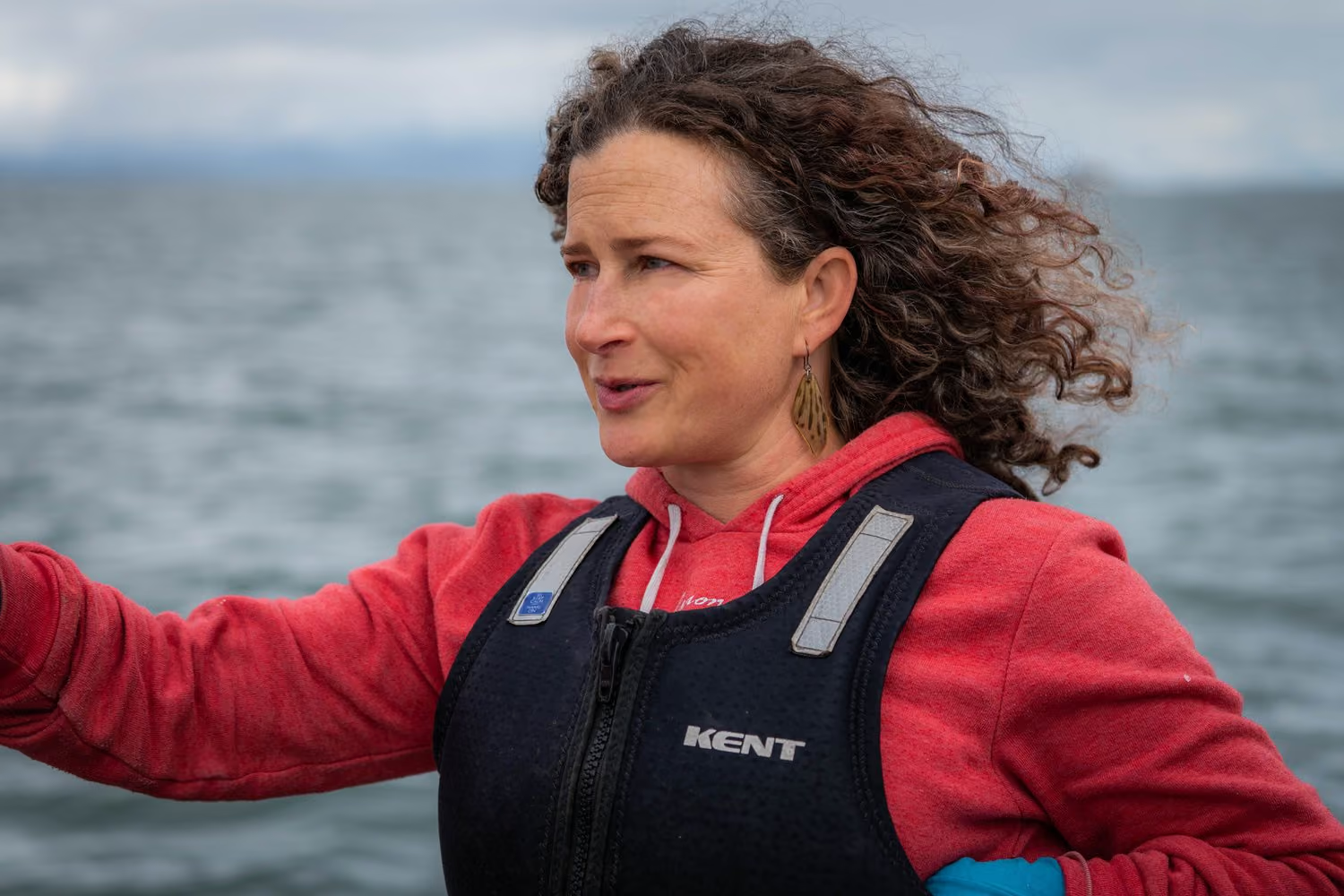
“Fishermen have been informally observing and documenting climate-related fisheries impacts for decades, and as anyone who spends time on the water can attest, the changes are more dramatic, with greater impact on the environment and livelihoods than ever before. The Skipper Science project recognizes this and is working to connect this lived experience with cutting-edge technology. Our hope is that the program can serve as a vital new source of data to help drive better decisions when it comes to fisheries management and habitat protection.”

Lindsey Bloom,

Salmon State

Data are tools for change

Who else knows more about changing ocean conditions than those who make their living on the water? By submitting data from the fishing grounds we can better understand, maintain, and protect our fisheries in the face of shifting ecosystems and declines in fisheries health. Data can be used to detect environmental changes, inform fishery management, and push for policy action. Use your expertise to inform the science.

History of Skipper Science

Originating in Alaska, the Skipper Science Partnership is organized and supported by many public, private, and tribal organizations. Skipper Science is an expansion of the Indigenous Sentinels Network (ISN), which has been operating for over 20 years in remote Alaskan communities, starting with St. Paul Island. Like ISN, Skipper Science provides a secure, app-based platform for non-scientists in remote locations to systematically record and share environmental and biological data, supporting community-based monitoring. We launched our pilot season in the summer of 2021, receiving observational data from fishermen related to water temperature, weather events, sea bird and marine mammal sightings, and more (read the full report here).
History of Skipper Science
Skipper Science Team

Skipper Science is both a data collection platform and a partnership—we work to bridge data gaps and amplify fishermen's voices while building relationships and increasing dialogue between coastal resource managers and ocean users. Principles of Indigenous data sovereignty and tandem values of rigorous science and dynamic local knowledge are built into our software and methods. Data access policies protect user identities and sensitive information, protocols guide customized data collection forms, and GIS-integrated reports streamline data sharing with scientists and managers. All observations can be made offline, and the app is highly customizable, collaboratively tailored for each research program.

We recognize that coastal communities and fishermen understand the changing conditions of their environment better than anyone. Looking to the future, we want to continue to increase the number of participants, expand the geographic reach of the Partnership, and deepen the impact of targeted research programs. Join today and help steer the ship on ocean policy by reporting your observations!
Coastal communities

What joining the partnership means:

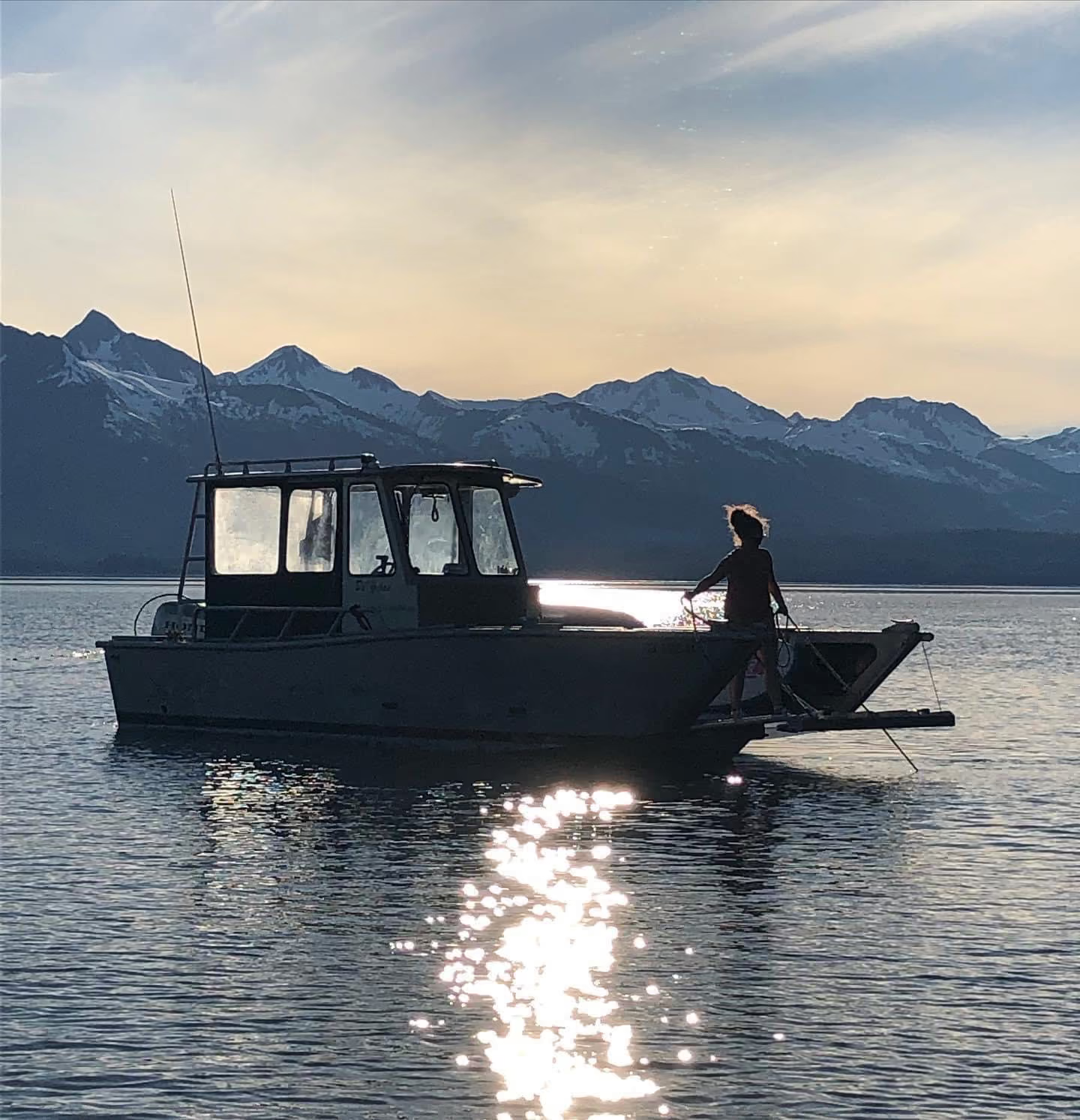
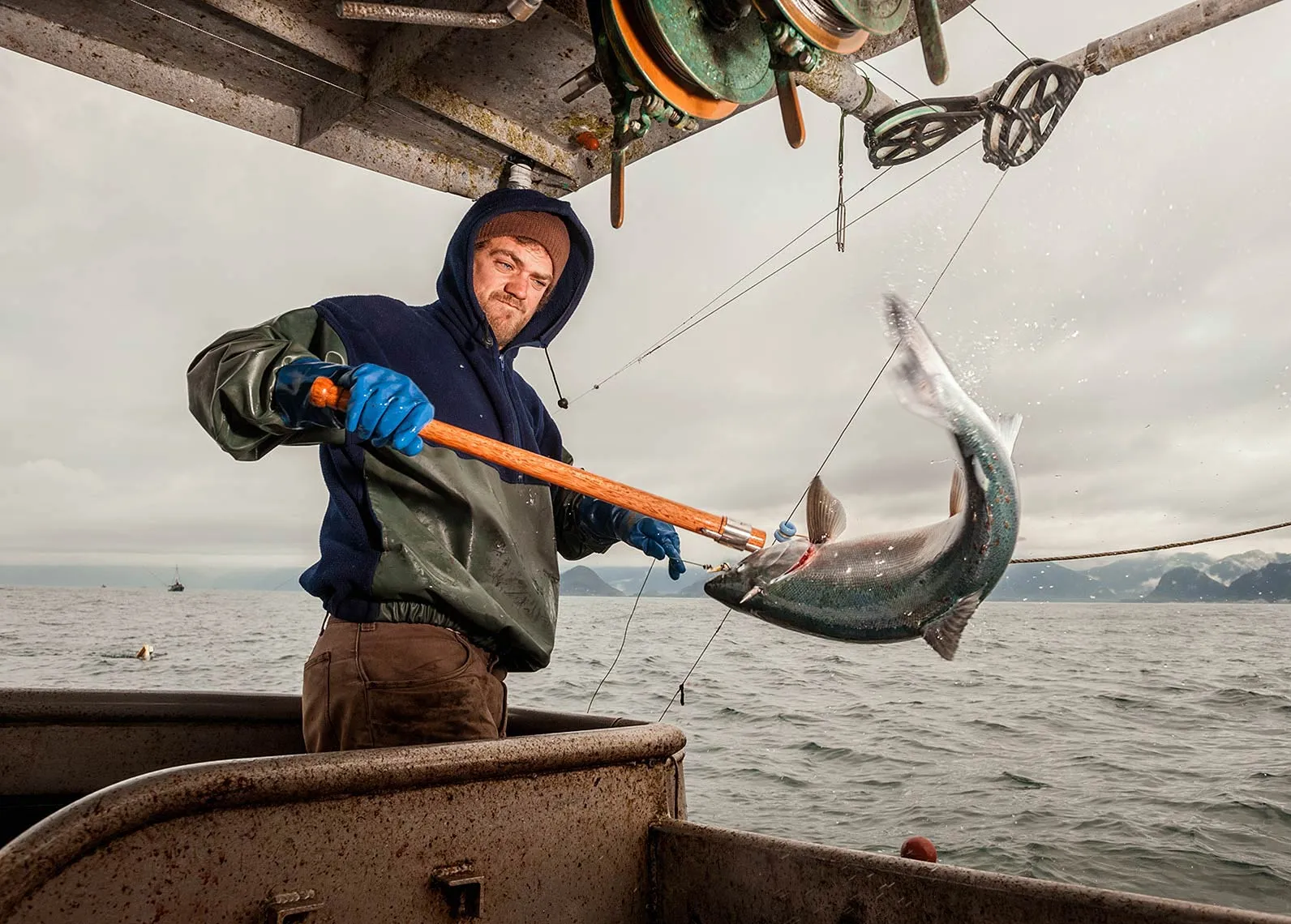
The Skipper Science Partnership enables fishermen to report data like fish caught, fish released, sea surface temperature, mammal sightings, fishing depth, etc. simply and easily from their phones on the fishing grounds. Data can be logged from the water regardless of internet access through the Skipper Science smartphone app and then can be uploaded when you have Wi-Fi after returning to land. The program is entirely voluntary and your data are protected.

Data collection is one step and once you join you are part of a network of local experts that can help guide fisheries management. The program builds partnerships and offers opportunities for fishermen and scientists to connect, attend workshops, and build relationships.

Building off of the historical ocean monitoring in Alaska

Alaska has a history of fishermen collecting and reporting data from their experiences. From 1977-1991 the Alaska Trollers Association (ATA) had a standardized annual logbook program, where fishermen gathered biological and physical data used in scientific research, fishery management, and to fight for larger allowable salmon harvests. The hard data gathered from this program allowed for better communication between policymakers and fishermen. A number of programs exist like the ATA and the Skipper Science program provide flexible and adaptable tools to collect more data and amplify community perspectives and knowledge.

The Skipper Science Partnership brings your voice and stories to the table with decision makers who are eager to hear from fishermen

– Alaska’s eyes and ears on the water.

House Fisheries Committee (March 2022)

Our Team

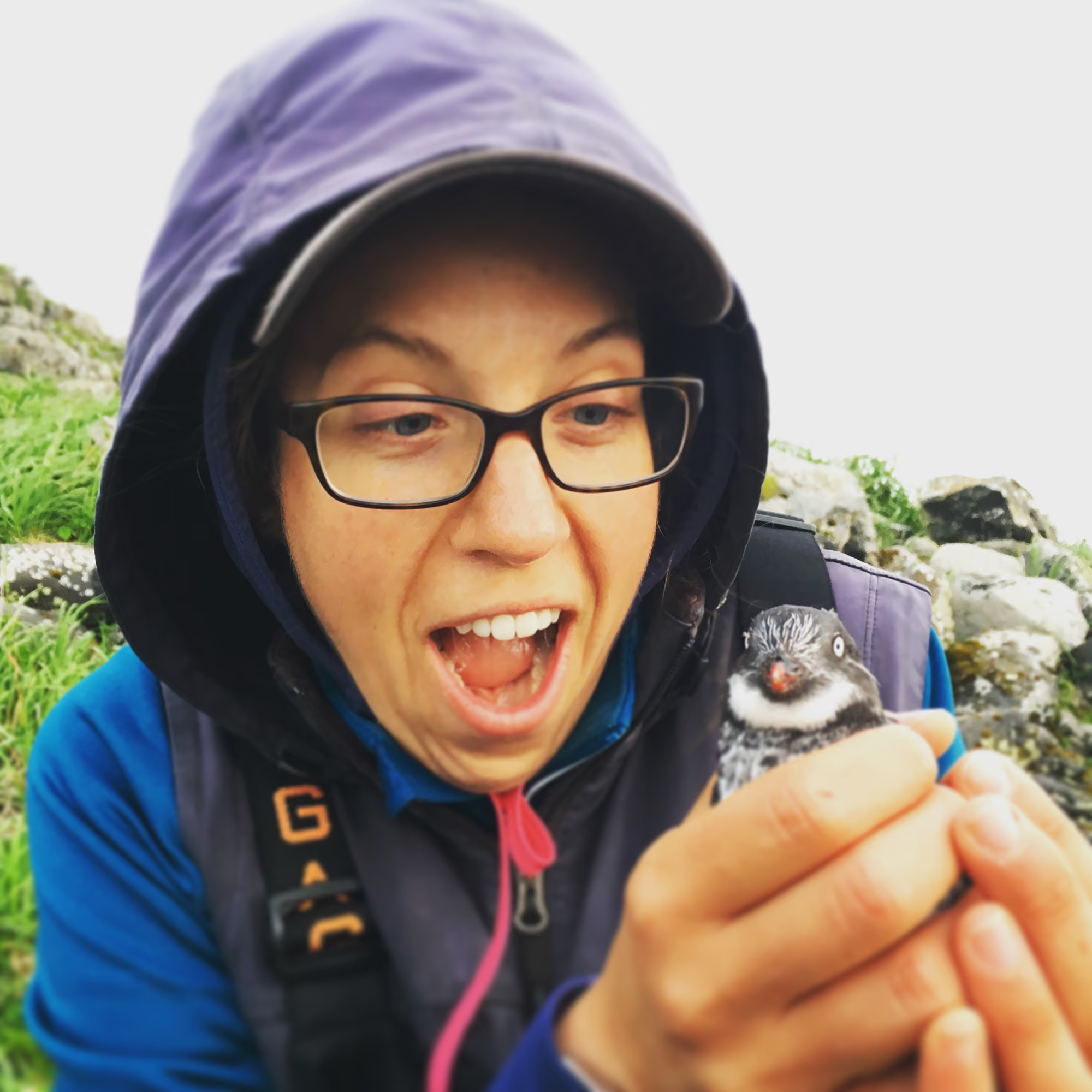
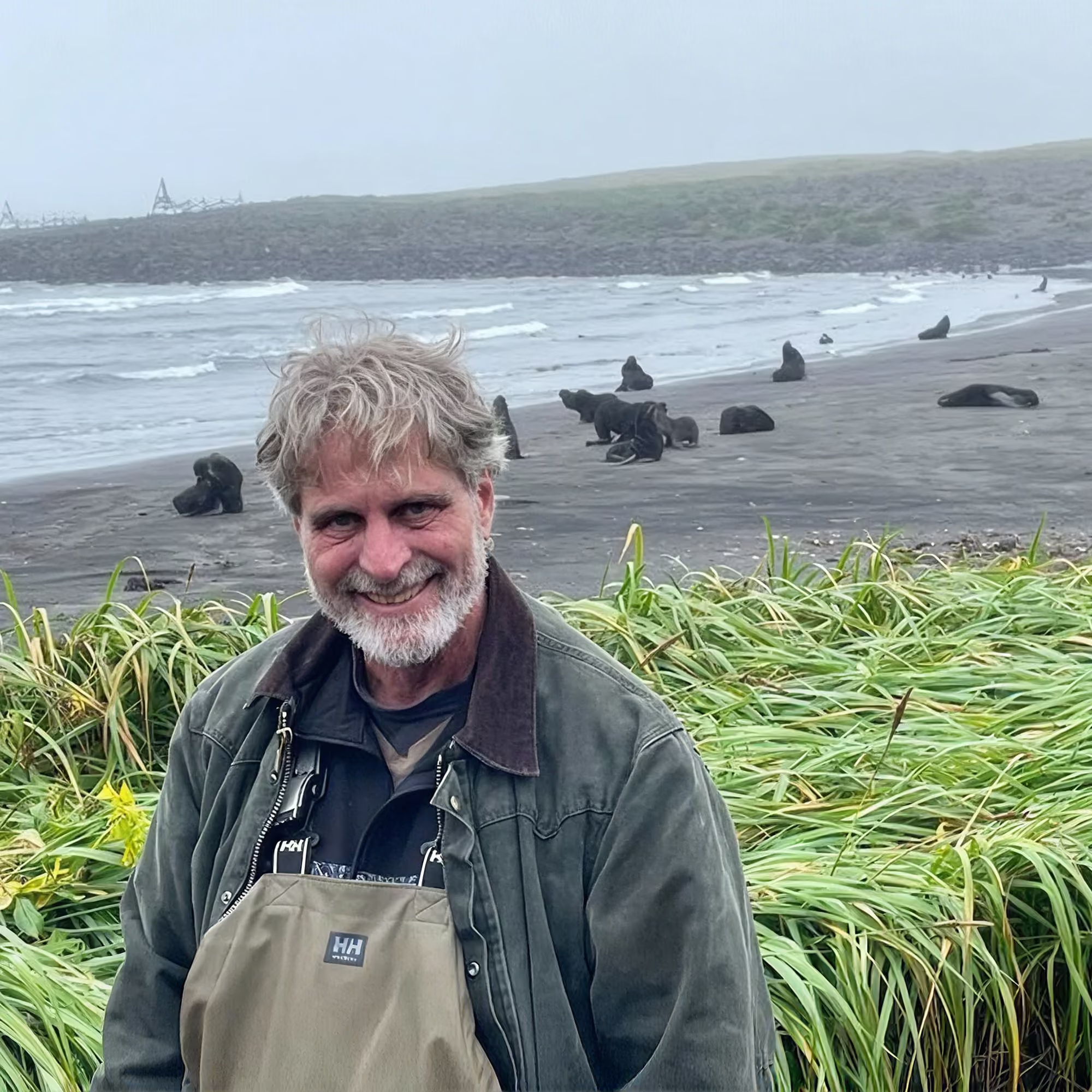
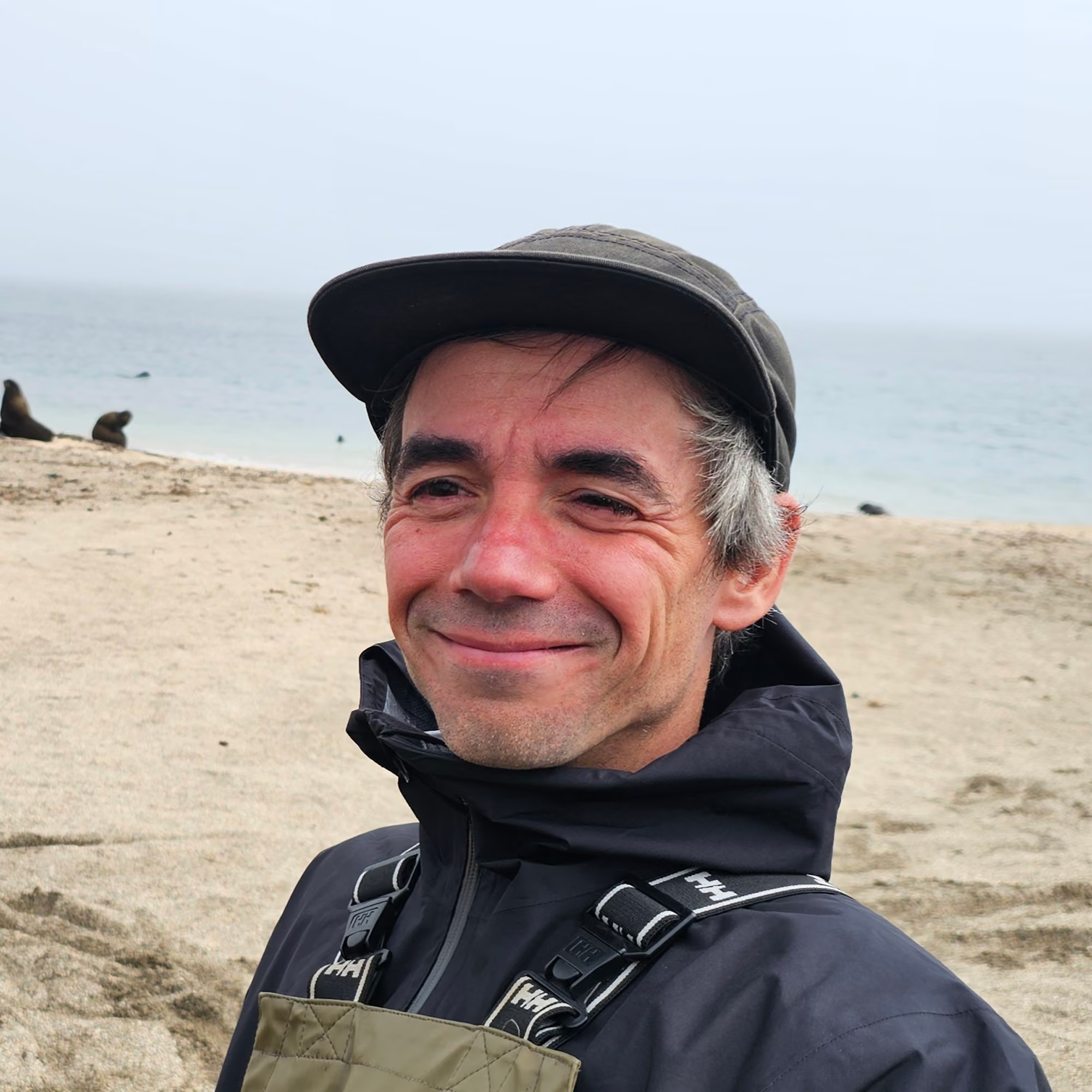
Skipper Science is supported by a team that works across the Aleut Community of St. Paul Island and the Indigenous Sentinels Network, the Alaska Conservation Foundation, and partner organizations.

Hannah-Marie Ladd
Hannah-Marie Ladd
Indigenous Sentinels Network Director
Veronica Padula
Veronica Padula
Chief Science Officer, Bering Sea Research Center
Bruce Robson
Bruce Robson
Indigenous Sentinels Network Technical Director
Rachel Lekanoff
Rachel Lekanoff
Aleutian & Bering Sea Initiative Research Coordinator
Nadine Kochuten
Nadine Kochuten
Network Coordinator for the Aleutian Bering Sea Initiative
Harmony Wayner
Harmony Wayner
Western Alaska Landscape Initiative Network Coordinator
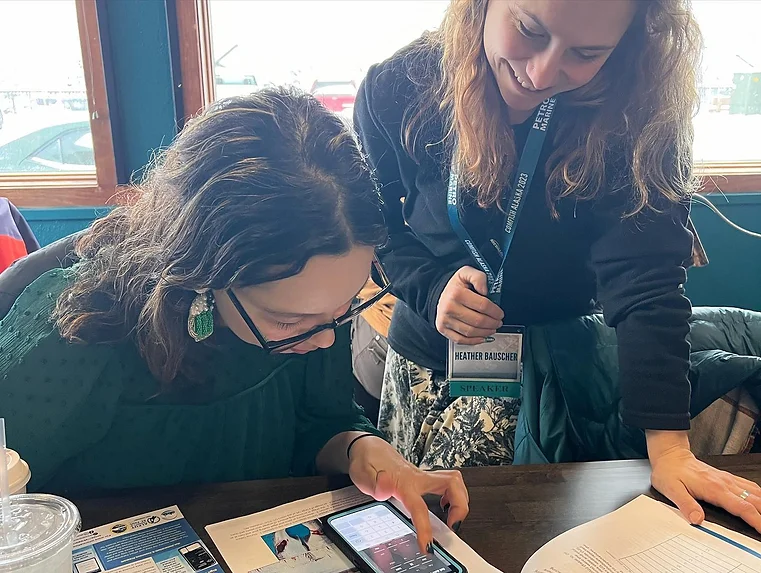
Heather Bauscher
Heather Bauscher
Fisheries Community Engagement Specialist

Our network includes Tribal governments, community organizations, fisheries groups, and research partners who help shape projects, share information, and support fishermen using the app.

Contact Us

Have any questions about the app, partnership, or how to get involved? Want to share some stories? Please contact us! We have a dedicated team waiting to help.